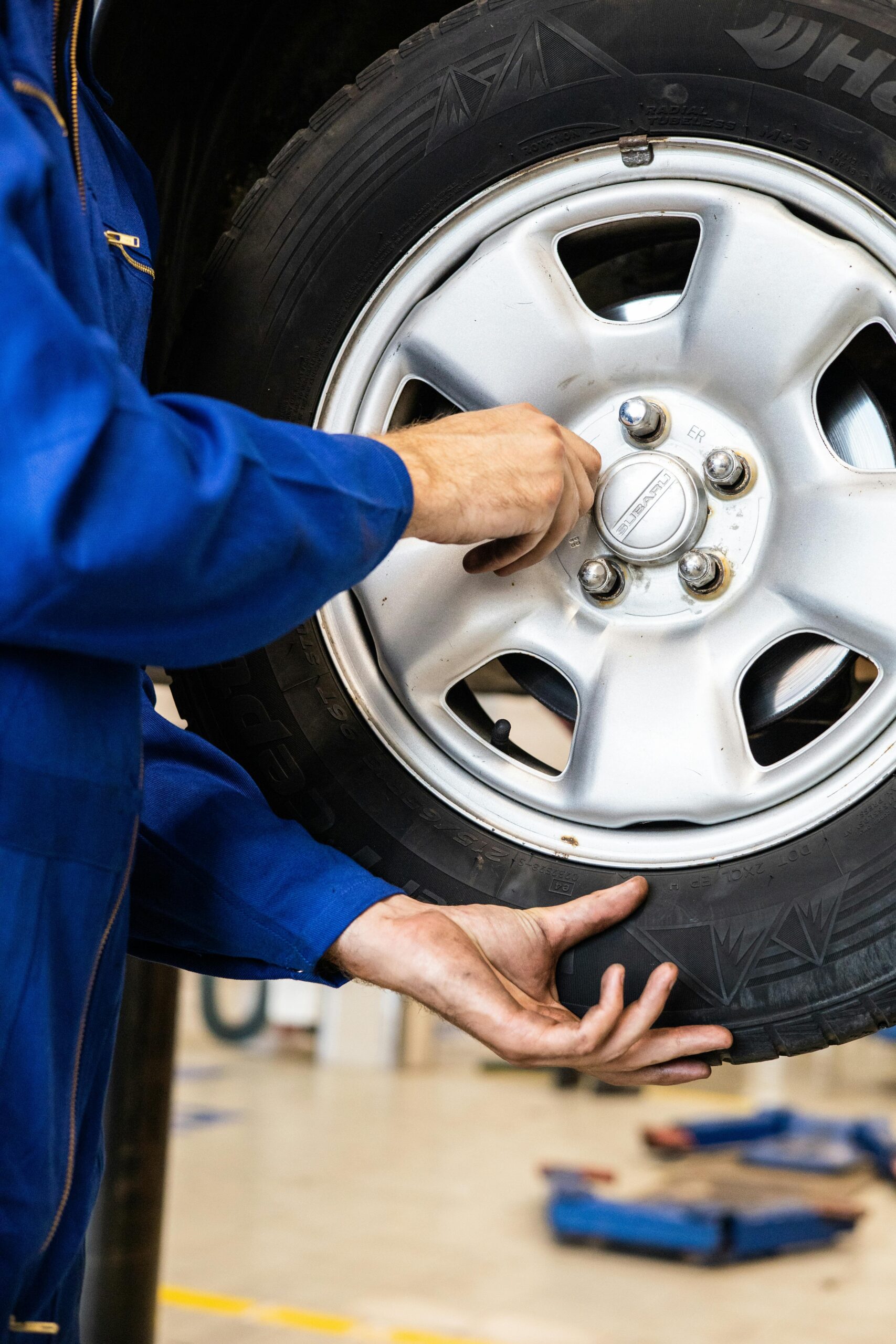
Cold snaps are tough on cars. Batteries lose power, tires lose pressure, fluids thicken, and road salt chews at anything metal. A little prep now can save you from white-knuckle breakdowns later. Here’s your no-nonsense winterization checklist from the team at Mountain Auto Company.
1) Test the battery (don’t guess)
Why it matters: Batteries can lose up to a third of their cranking power in the cold.
What to do: Have us load-test the battery, check alternator output, and inspect terminals for corrosion. If your battery is 3–5 years old, consider proactive replacement.
2) Set tire pressure & check tread
Why it matters: Pressure drops about 1 PSI for every 10°F. Low pressure kills traction and fuel economy.
What to do: Set pressures to the door-jamb spec, measure tread depth (aim for 5/32” or more for winter), and consider dedicated winter tires if you drive in frequent snow.
3) Inspect brakes for winter grip
Why it matters: Slush + salt + cold = longer stops.
What to do: Measure pad thickness, check rotor condition, and make sure ABS sensors and wiring are clean and intact.
4) Test coolant strength & inspect the cooling system
Why it matters: The right antifreeze mix prevents freezing and overheating.
What to do: Verify freeze point and pH, look over hoses for bulges/cracks, and check for leaks around the water pump and radiator.
5) Use the correct oil & fresh filters
Why it matters: Thicker oil in the cold can slow lubrication at start-up.
What to do: Run the viscosity your owner’s manual recommends for winter and replace the engine air filter and cabin filter for clear airflow and defogging.
6) Wipers, defroster & washer fluid (winter-rated)
Why it matters: Visibility is safety.
What to do: Install winter wiper blades, top off -20°F (or lower) washer fluid, and confirm front/rear defrosters work.
7) Lights & charging: see and be seen
Why it matters: Short days and stormy weather expose weak lighting.
What to do: Test headlights, brake lights, turn signals, and fog lights; clean lenses; verify alternator output and belt condition.
8) AWD/4WD and transmission fluids
Why it matters: Extra traction systems are only as good as their fluids.
What to do: Inspect transfer case and differential fluid levels/condition; check for leaks and proper engagement.
9) Undercar protection: rust & salt strategy
Why it matters: Salt accelerates corrosion on brake lines, subframes, and exhaust.
What to do: Wash the underbody regularly, apply anti-corrosion treatments if needed, and fix small leaks before salt makes them big problems.
10) Build a smart winter emergency kit
Why it matters: If you’re stuck, you’re prepared.
Pack this: Blanket, gloves, hat, portable phone charger, flashlight, jumper cables, traction aids (sand/kitty litter or traction boards), small shovel, ice scraper, high-visibility triangle, and granola bars/water.
Pro Tip: Bundle into a “Winter Readiness Service”
At Mountain Auto Company, our one-visit Winter Readiness includes: battery/charging system test, full brake inspection, coolant freeze-point test, tire pressure/tread set, fluid top-offs (winter washer), lighting check, HVAC/defroster verification, and an underbody salt-risk assessment. You’ll get a simple, written report with priorities by safety, reliability, and budget.
Quick FAQ
How early should I winterize?
When overnight temps start dipping below 45°F — that’s when cold-start stress begins.
Do I really need winter tires?
If you regularly see snow/ice or steep hills, yes. They dramatically improve stopping and cornering below ~45°F.
My battery “seems fine.” Why test it?
Batteries can pass a casual start but fail under load in a cold snap. A 5-minute test beats a 5-hour tow.
👉 Drive into winter confident. Schedule your Winter Readiness Service at Mountain Auto Company today.