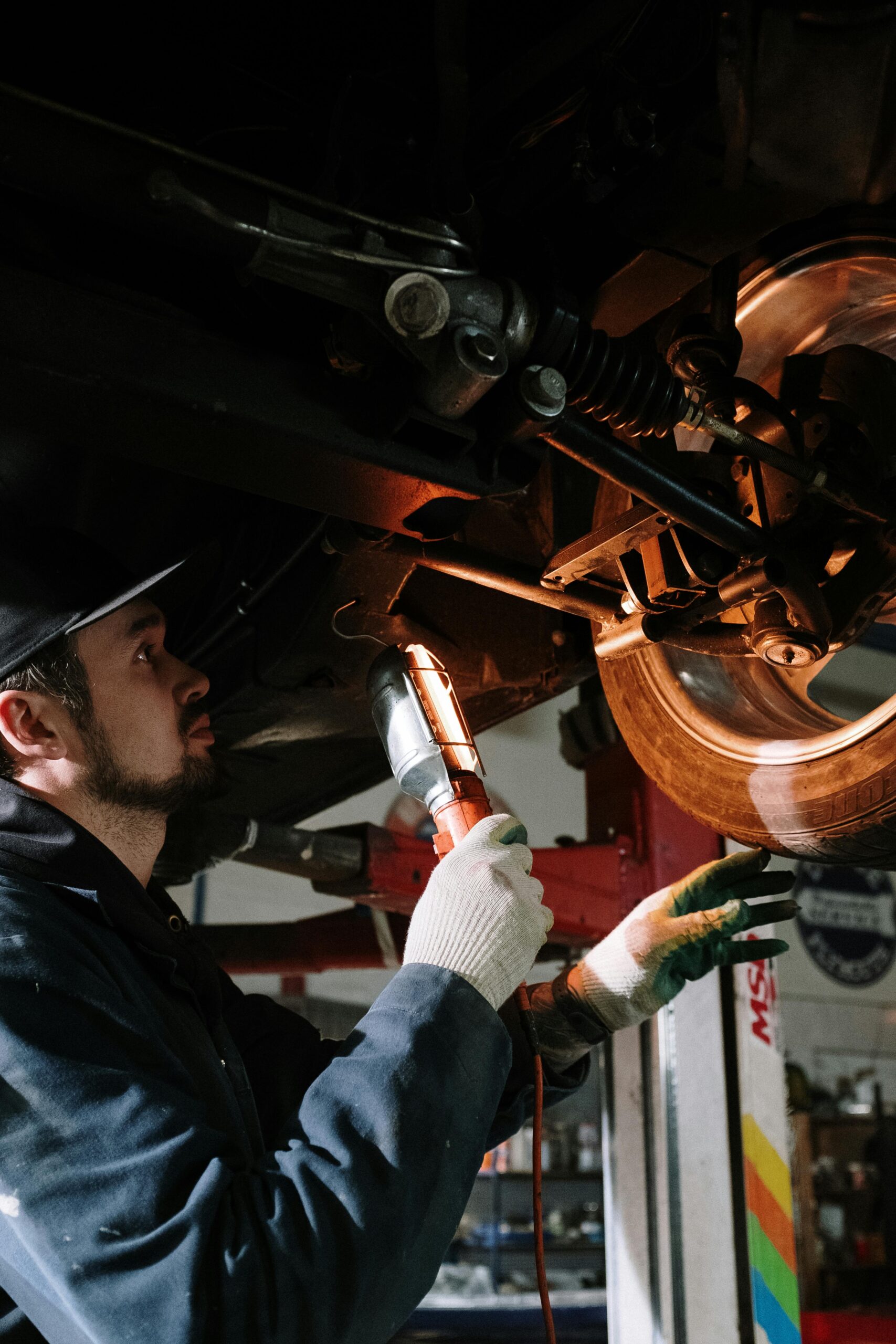
Your brakes are your car’s most important safety feature — but most drivers wait too long to have them checked. Knowing the warning signs can prevent expensive repairs (and dangerous situations) before they happen. If any of the symptoms below sound familiar, it’s time to book a professional brake inspection.
1) Squealing or grinding noises
What you hear: A high-pitched squeal when you press the pedal, or a harsh grinding or scraping sound.
What it means:
- Squeal usually comes from wear indicators — little metal tabs that chirp to warn you the pads are nearly done.
- Grinding often means the pads are completely worn out, and the metal backing plate is contacting the rotor. That chews up the rotor quickly and can turn a simple pad replacement into a much bigger job.
What to do: Don’t ignore brake noises. A quick pad swap today can save your rotors (and your wallet) tomorrow.
2) Soft or “spongy” pedal feel
What you feel: The pedal sinks lower than normal, feels mushy, or needs to be pumped to build pressure.
What it means:
- Air in the brake lines from improper bleeding or a leak.
- Low or contaminated brake fluid that can’t transmit pressure effectively.
- Master cylinder issues that prevent the system from holding pressure.
What to do: A spongy pedal is a safety red flag. Have the system inspected for leaks, fluid condition, and master cylinder health. Often, a fluid flush and proper bleeding restore firm pedal feel — but leaks must be fixed immediately.
3) Vibrations while braking
What you feel: A shake or shimmy in the steering wheel or brake pedal, especially at highway speeds.
What it means:
- Warped or uneven rotors from heat or uneven pad deposits.
- Uneven pad wear or sticking caliper slides.
- Suspension or wheel-bearing issues can also show up under braking.
What to do: Rotors may need to be resurfaced or replaced, but the root cause matters. We look for stuck slides, seized caliper pistons, and torque issues so the problem doesn’t return.
4) Dashboard brake light
What you see: A red or amber brake warning light — sometimes steady, sometimes intermittent.
What it means:
- Low brake fluid (often due to pad wear or a leak).
- ABS/sensor faults that reduce anti-lock performance.
- Parking brake partially engaged or a switch issue.
What to do: Don’t top off fluid and call it good — low fluid can be a symptom of worn pads or a leak. We’ll scan for codes, inspect the hydraulics, and check pad thickness before clearing any warnings.
5) Longer stopping distances
What you notice: You need more space to stop, or the car doesn’t slow as strongly as it used to.
What it means:
- Worn pads or glazed friction surfaces.
- Brake fade from overheating (common on long downhill grades).
- Hydraulic problems or contaminated fluid reducing braking force.
- Tire grip matters too — bald or over-inflated tires can lengthen stops.
What to do: This is the most dangerous symptom. If your vehicle takes longer to stop, schedule service immediately and drive conservatively until it’s inspected.
Bonus tip: Keep your brakes in peak shape with annual checks at Mountain Auto
Braking systems work hard — in heat, rain, salt, and stop-and-go traffic. A once-a-year brake inspection at Mountain Auto Company helps you catch wear early and extend component life.
What we check during a Mountain Auto brake inspection:
- Pad and shoe thickness (with a written measurement report)
- Rotor and drum condition (runout, thickness, surface)
- Caliper operation and slide lubrication
- Hoses and hard lines (leaks, cracks, corrosion)
- Brake fluid condition and moisture content
- Master cylinder and booster function
- ABS sensors, wiring, and stored fault codes
- Parking brake adjustment
Why it matters: Proactive maintenance keeps stopping distances short, prevents uneven wear, and avoids costly rotor or caliper damage. Most customers who catch wear early spend less over the life of the vehicle — and drive with more confidence.